What You Should Know Before Adopting a Komondor Puppy
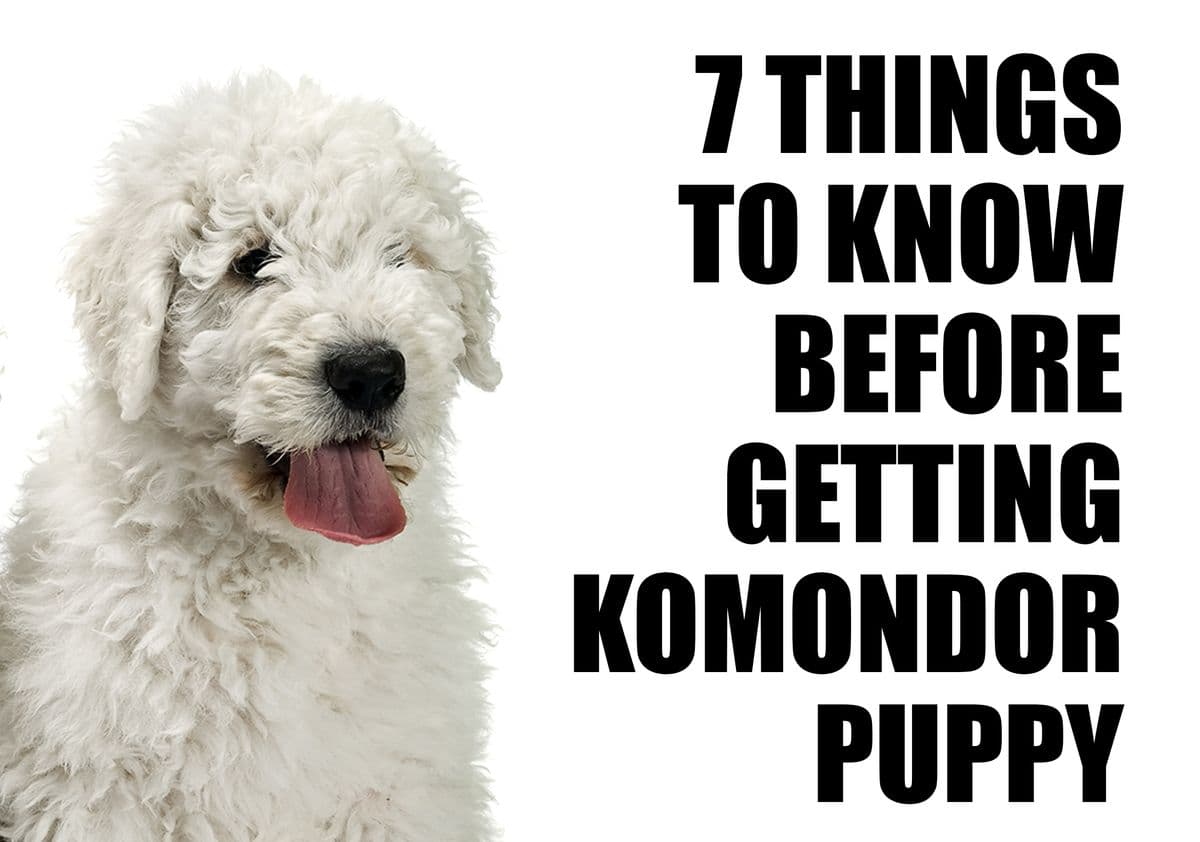
You saw a photo of a dog that looks like a walking mop, and now you can't stop thinking about it. We get it — the Komondor turns heads like no other breed.
But here's the truth: those famous cords are the easy part to fall in love with and the hard part to live with.
This guide walks you through exactly what owning a Komondor is really like — the temperament, the coat, the health, and whether this majestic guardian actually fits your life.
What Makes Komondors So Unique
First, a fun fact to drop at your next dinner party: the plural of Komondor is Komondorok. Yes, really.
Komondorok are Hungarian livestock guardians. That means they were bred for one job — to protect — and they take it very seriously.
Here's what that looks like at home:
They're deeply loving with their families, including kids, but naturally wary of strangers.
So if you're hunting for a social butterfly that greets every visitor with a wagging tail, this isn't your breed.
“They're a breed of contradictions: massive but agile, mop-coated but low-shedding, calm indoors but powerhouses outside.”
Let's talk about that split personality.
Temperament: Calm Indoors, Powerhouse Outdoors
Here's what surprises most first-time owners: Komondors are quiet housemates.
Indoors, they're surprisingly chill — content to sprawl out and keep a watchful eye on their people.
But don't let that fool you. These dogs need serious outdoor time to stay balanced.
| Category | Rating |
|---|---|
| Indoor calm | |
| Exercise needs | |
| Loyalty | |
| Stranger-friendly | |
| Grooming |
Think two long walks a day, room to stretch their legs, and ideally a big, fenced yard.
City apartment life? Only if you're fully committed to meeting their exercise and mental needs — every single day.
Puppy Chaos vs. Adult Dignity
When they're young, Komondor pups are playful balls of chaos. They're great with kids and love to romp around.
But as they mature, something shifts. They settle into a more serious, independent vibe.
Still affectionate — just less goofy.
Now for the single most important thing you'll do as an owner.
Socialization Is Everything
Because Komondors are wired to be suspicious of outsiders, early and consistent socialization isn't optional. It's the whole ballgame.
Daily exposure to new people, pets, and situations helps curb overprotectiveness and excessive barking.
It won't turn them into party dogs. But it will keep them balanced and manageable.
Socialization ground rules
- Start earlyBegin exposing your puppy to new sights and sounds as soon as they come home.
- Make it dailyConsistency beats intensity — a little every day works better than one big outing.
- Teach that the mailman is fineNormalize routine visitors early so they don’t become perceived threats.
- Keep it positiveReward calm behavior around strangers so good manners stick.
A Deep Love for Their People — Especially Kids
One of the best things about Komondors? Their sheer devotion.
They bond hard and are naturally gentle with the children in their family.
But here's the catch: during playdates, a Komondor might mistake rough-and-tumble play for a genuine threat — unless they're well-socialized.
Own children
GreatGentle and protective with their family kids.
Visiting kids
With careSupervise roughhousing until well socialized.
Strangers
WaryReserved by design — introductions matter.
Other pets
With careEarly exposure smooths things over.
Don't Let the Dreadlocks Fool You — These Dogs Are Fast
They may look like walking mops, but Komondors are surprisingly agile.
They can move fast when they want to, and their reactions are quick — especially if they think you're in danger.
That's exactly why space matters so much. Don't underestimate what's hiding under all that coat.
Speaking of that coat...
That Coat, Though...
Yes, the cords are real. And yes, they're a lot of work.
Here's the thing that trips people up: you don't brush a Komondor.
Instead, their coat cords form naturally and need to be separated and trimmed regularly by hand.
Can you guess?
How long does it take a Komondor coat to fully dry after a bath?
You can keep the coat shorter if you like — especially in warmer climates. But the routine is still real:
- Trim around ears and paws regularly to prevent infections
- Do occasional full-body trims to manage length
- Allow long drying times after every bath
- Keep up with nail clipping and dental care
- Brush the cords like a normal coat
- Skip grooming because "they don’t shed"
Now, the good news: they don't shed much — a genuine win for allergy sufferers.
The opposite is true. Cords need to be separated, trimmed, and dried carefully — it’s hands-on, ongoing work.
Not at all. Many owners keep the coat shorter, especially in hot climates, and the dog is just as happy.
How healthy are they, really?
Health-Wise, They're Solid — But Not Bulletproof
Komondors are generally healthy dogs, typically living around 10–12 years.
Still, like many large breeds, there are a few things to keep on your radar:
Hip dysplasia
Common in big breeds — keep them lean and don’t over-exercise a growing puppy.
Bloat
A serious, fast-moving emergency. Learn the warning signs and feeding precautions early.
Cataracts
Eye clouding that can develop with age; routine checks catch it early.
Entropion
An eyelid issue that can irritate the eye and sometimes needs correction.
What keeps them thriving? The basics, done consistently.
Regular vet visits, diligent grooming, and quality food go a long way toward a long, healthy life.
So — should you actually get one?
Is a Komondor Right for You?
Let's be honest: this breed isn't for everyone.
But if the description below sounds like you, it might just be a perfect match.
Pros
You'll thrive with a Komondor if...
- You have a spacious home and a fenced yard
- You don’t mind (or even enjoy) grooming
- You can commit to daily training and socialization
- You want a deeply loyal, protective companion
Cons
Look elsewhere if...
- You want an instantly social, stranger-friendly dog
- You live in a small apartment with no yard access
- You’re short on time for grooming and exercise
- You want a low-commitment first dog
Quick poll
Which part of Komondor ownership worries you most?
Before you bring one home, make sure you're ready for the lifestyle shift. It's not just about the looks — it's about understanding the breed's instincts and meeting their needs.
If you're ready for that? You're in for an unforgettable bond with one of the most fascinating dogs on the planet.
Frequently Asked Questions
Generally, no. Their guardian instincts, size, and demanding grooming make them a challenging first dog. If you’re determined, be prepared to invest heavily in training and socialization from day one.
They can, since barking is part of their guardian job. Consistent socialization and clear boundaries help keep the barking purposeful rather than constant.
With their own family kids, yes — they’re gentle and protective. Just supervise play with visiting children until your dog is well socialized, as they may misread roughhousing as a threat.
A lot. Their cords must be separated and trimmed by hand, baths require long drying times, and ears, paws, nails, and teeth all need regular attention. Brushing is not part of it — that would ruin the cords.
It’s possible but tough. They’re calm indoors but need two long walks a day plus space to move. Without that, they can become restless and harder to manage.
Not much, which is a big plus for allergy sufferers. But low shedding doesn’t mean low maintenance — the corded coat still demands regular care.
They start as playful chaos and gradually mature into a more serious, dignified adult. Expect the goofiness to settle as they grow, though they stay affectionate throughout.