8 Things to Know Before Getting a Jack-a-Poo
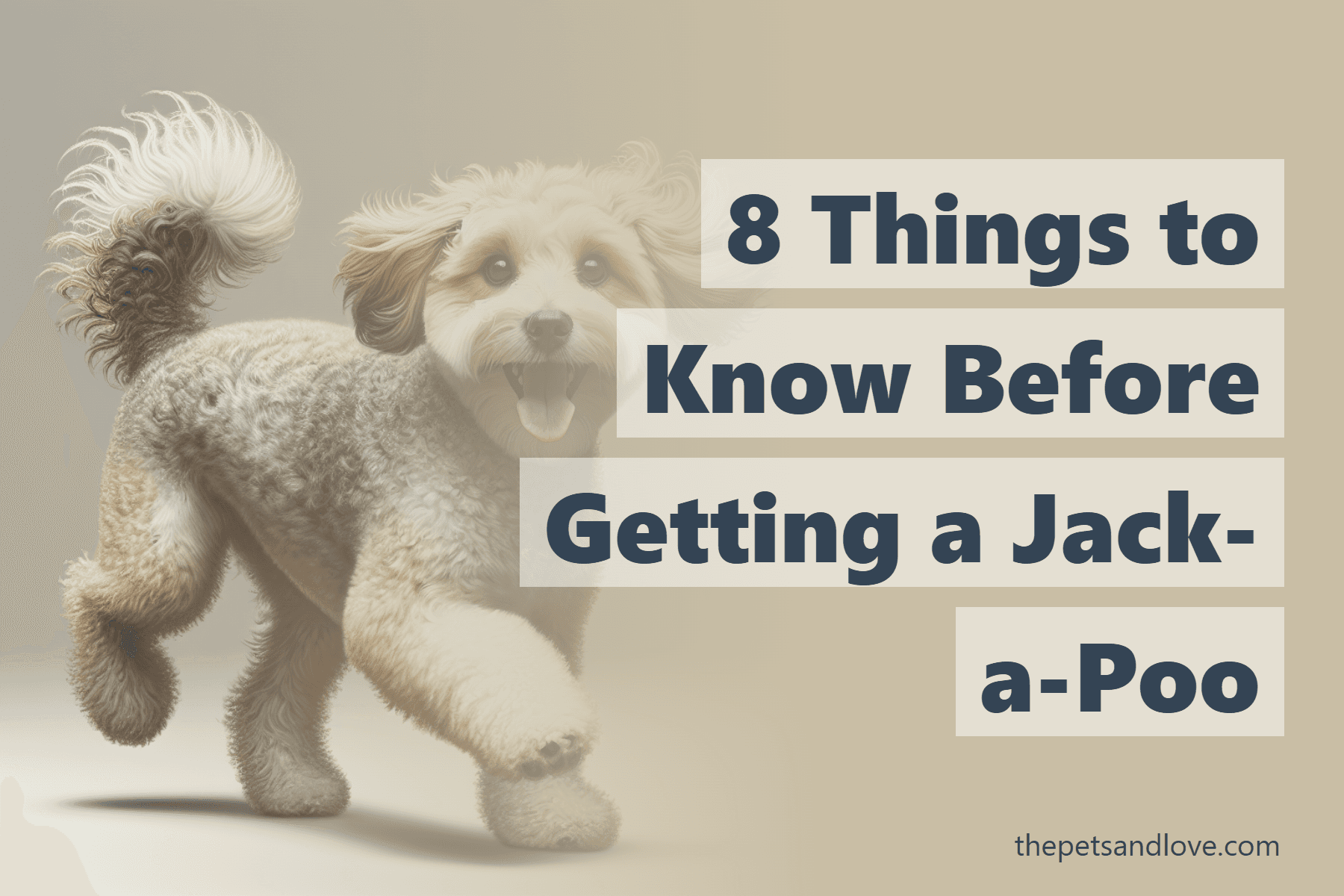
Thinking about bringing home a Jack-a-Poo? You already sense it — this little Jack Russell–Poodle mix has "big personality" written all over it.
Here's the promise: by the end of this guide, you'll know exactly whether a Jack-a-Poo fits your life — or whether it'll run circles around it.
Because make no mistake — these pups are pocket-sized dynamos, and picking one on a whim is how good intentions turn into chewed furniture.
Let's break down the 8 things that actually matter.
| Category | Rating |
|---|---|
| Energy Level | |
| Trainability | |
| Apartment-Friendly | |
| Affection | |
| Grooming Needs |
First, the thing everyone underestimates about this breed.
Small Dog, Big Energy
Don't let the size fool you.
Jack-a-Poos are small — usually **10–16 inches tall and 13–25 pounds** — but they pack the stamina of a dog twice their size.
Mine never seemed to get tired. If you're picturing a chill lapdog, think again.
“These pups need at least an hour of daily exercise — or they'll find their own destructive ways to burn it off.”
So what does that hour look like? Split it — walks plus active playtime work better than one long march.
What this means in practice: skip the exercise, and you'll come home to a re-decorated living room.
Good news for apartment dwellers — with a catch.
Great for Apartments — With a Few Caveats
Here's the good part: thanks to their size, Jack-a-Poos can absolutely thrive in an apartment.
But there's a catch. You have to stay on top of their exercise, no excuses.
A bored Jack-a-Poo in a small space becomes a howling, wall-bouncing tornado fast.
You might be wondering: don't they need a yard? Not really — and sometimes a yard is even a hassle.
Now, about that terrier instinct.
Prey Drive? Yes — But Manageable
The Jack Russell genes bring a strong prey drive. That's just part of the package.
The upside? Their small size usually keeps things in check.
Most adult cats are safe — especially if your Jack-a-Poo grew up alongside them.
Adult cats
Usually fineBest when raised together from a young age.
Small pets (hamsters, etc.)
RiskyThat prey drive makes them a poor mix.
Other dogs
GoodEarly socialization smooths introductions.
Children
GreatA playful, spirited companion for active kids.
Here's the kicker: early socialization is everything.
Start introducing your Jack-a-Poo to other animals and people while they're still young. I can't stress this enough.
Which brings us to the training question.
Smart but Sometimes Stubborn
Training a Jack-a-Poo can go one of two ways.
Some inherit the Poodle side — eager to please, quick to learn, a joy to teach.
Others lean into the independent terrier mindset and need extra patience and consistency.
The training golden rules
- Lead with positive reinforcementTreats and praise beat frustration every time with this mix.
- Start obedience earlyThe younger you begin, the easier the stubborn streak is to manage.
- Stay consistentMixed signals let the terrier brain decide it makes the rules.
But are they cuddly? Sort of.
Not a Cuddle Bug — Until They've Burned Off Energy
Jack-a-Poos do love affection. Just not on your schedule.
They want to play first and snuggle second.
Once they've had their fun, though, they're perfectly happy to crash on the couch with you.
But if they're still bursting with energy? Don't expect them to sit still for long.
Quick poll
What matters most to you in a dog?
Now for the biggest wild card of all.
Coat Types Vary — A Lot
Here's where two Jack-a-Poos from the same litter can look completely different.
Some inherit the Poodle's single-layer, low-shedding, curly coat — often better for allergy sufferers.
Others take after the Jack Russell with a double coat that sheds more.
Pros
Curly (Poodle-leaning) coat
- Low-shedding
- Friendlier for allergy sufferers
- Neat, tidy look with grooming
Cons
Wiry (Jack Russell-leaning) coat
- Mats easily without brushing
- More sheds around the home
- Needs regular deshedding sessions
You can usually tell the type by **8 weeks** old.
Either way, regular brushing is a must — especially for the curlier coats, which mat in a hurry.
Can you guess?
What coat colors can you expect?
Now, the part every responsible owner needs to read.
Generally Healthy, But Know the Risks
The Jack-a-Poo is a relatively healthy hybrid, with an average lifespan of **12 to 15 years**.
But like any dog, they can inherit issues from either parent. Here's what to keep an eye on.
- Hip dysplasia
- Patellar luxation (loose kneecaps)
- Hypothyroidism
- Epilepsy
- Cushing’s Disease
- Progressive retinal atrophy (PRA)
- Bloat (less common in small dogs)
So what protects against all this?
Let's clear up a couple of myths before you decide.
A Few Myths, Busted
The Jack-a-Poo blows this one apart. They need at least an hour a day, or they’ll invent their own chaos.
Only the Poodle-leaning, curly-coated ones tend to be low-shedding. A double-coated pup will shed more.
They’re rewarding, but the energy and occasional stubbornness make them better suited to committed owners.
So — final verdict.
So, Is the Jack-a-Poo Right for You?
If you want a small dog that acts like a big one — full of energy, smarts, and personality — the Jack-a-Poo might be your perfect match.
Just be prepared to put in the time for training and daily exercise.
They're not the easiest first-time breed. But with the right care, they're incredibly rewarding.
And if you've got playful kids or live in a smaller space but still crave an active companion? A Jack-a-Poo can be a fantastic fit.
Frequently Asked Questions
They can be, but they’re not the easiest choice. Their high energy and occasional stubborn streak mean you’ll need patience, consistency, and a real commitment to daily exercise. If you’re ready for that, they’re hugely rewarding.
A few hours at most for an adult, and far less for a puppy. These dogs crave activity and company, so long stretches alone often lead to barking, chewing, or anxious behavior. Enrichment toys and a good walk beforehand help.
They can. A bored or under-exercised Jack-a-Poo is much more likely to bark and howl. Meet their exercise needs and reinforce calm behavior, and the noise usually settles down.
Yes — they’re playful, spirited, and often love active kids. As with any dog, supervise young children and teach gentle handling to keep interactions positive.
Most adult cats are safe, especially if the dog was raised alongside them. They generally get on with other dogs too. Smaller pets like hamsters are a poor mix due to the terrier prey drive.
Some are. Pups that inherit the Poodle’s curly, single-layer coat tend to be low-shedding and better for allergy sufferers. Those with a Jack Russell–style double coat shed more.
Keeping up with their energy. They need real daily exercise and mental stimulation, and skipping it quickly leads to destructive habits.
Many mellow somewhat as they leave puppyhood behind, but this is a high-energy breed for life. Consistent exercise and training make the biggest difference at any age.